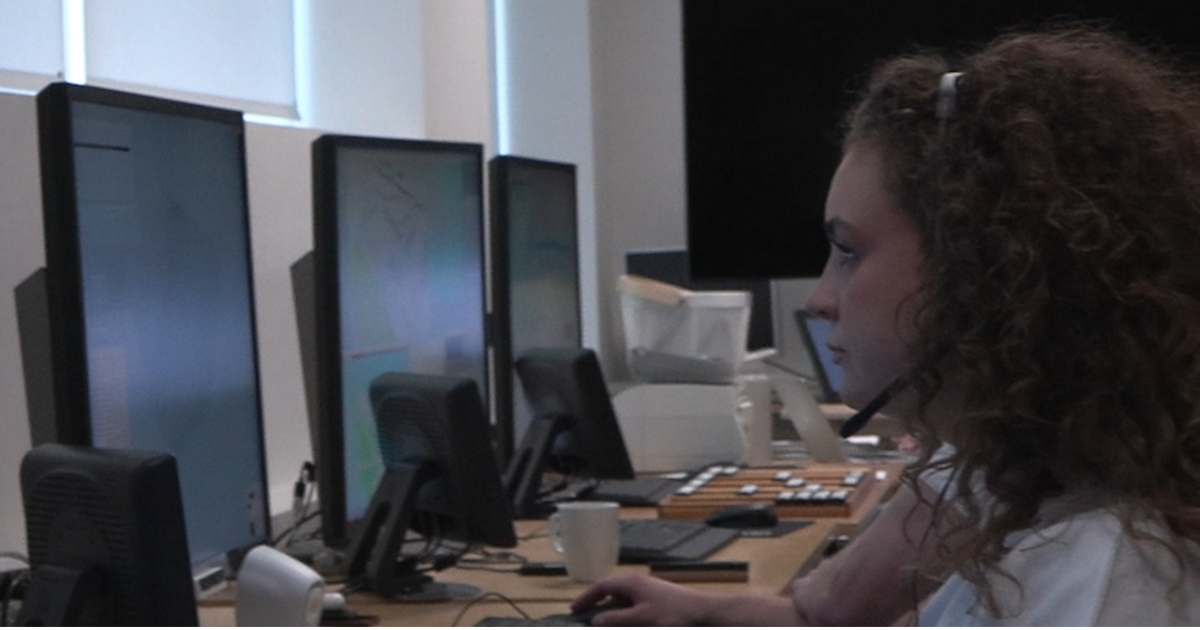
How do student air traffic controllers scan a radar screen, and how does this develop as they gain experience?
This is the question behind a joint eye-tracking project between LFV and Entry Point North. LFV had previously explored eye tracking with controllers in operations and wanted to extend the work into a training environment, comparing how students and experienced ATCOs scan the radar screen. As LFV trains its candidates at Entry Point North, the two organisations could explore the question together in a practical training environment.
During an exercise, eye-tracking equipment positioned below the radar screen records where the student is looking. The student continues to work as usual, while the instructor can follow the student’s gaze on a separate display and return to specific moments during the De-briefing.
“Scanning technique is something we have spoken about in ATC training for many years, but it can be difficult to explain exactly what effective scanning looks like,” says Christoffer Artursson, Simulator Director at Entry Point North. “Eye tracking could give instructors and students a common visual reference when discussing a specific situation.”
Instead of simply telling a student that they need to improve their scanning, an instructor could return to a particular situation and look at where the student’s attention was directed. Why did they focus on one area for longer? Why did they look briefly at another and move on? The information can give the instructor a more specific starting point for the De-briefing.
At the same time, the data needs context. Eye tracking can show where a student looked, but it cannot establish whether the student understood what they saw. A single exercise cannot provide a complete picture of competence either. Instructor interpretation and dialogue with the student therefore remain central.
There is also a practical question about how much information is needed. More data does not automatically make better De-briefing. Part of Entry Point North’s role in the project is to explore what information instructors need, how it can support the De-briefing and how to use it without overwhelming the student.
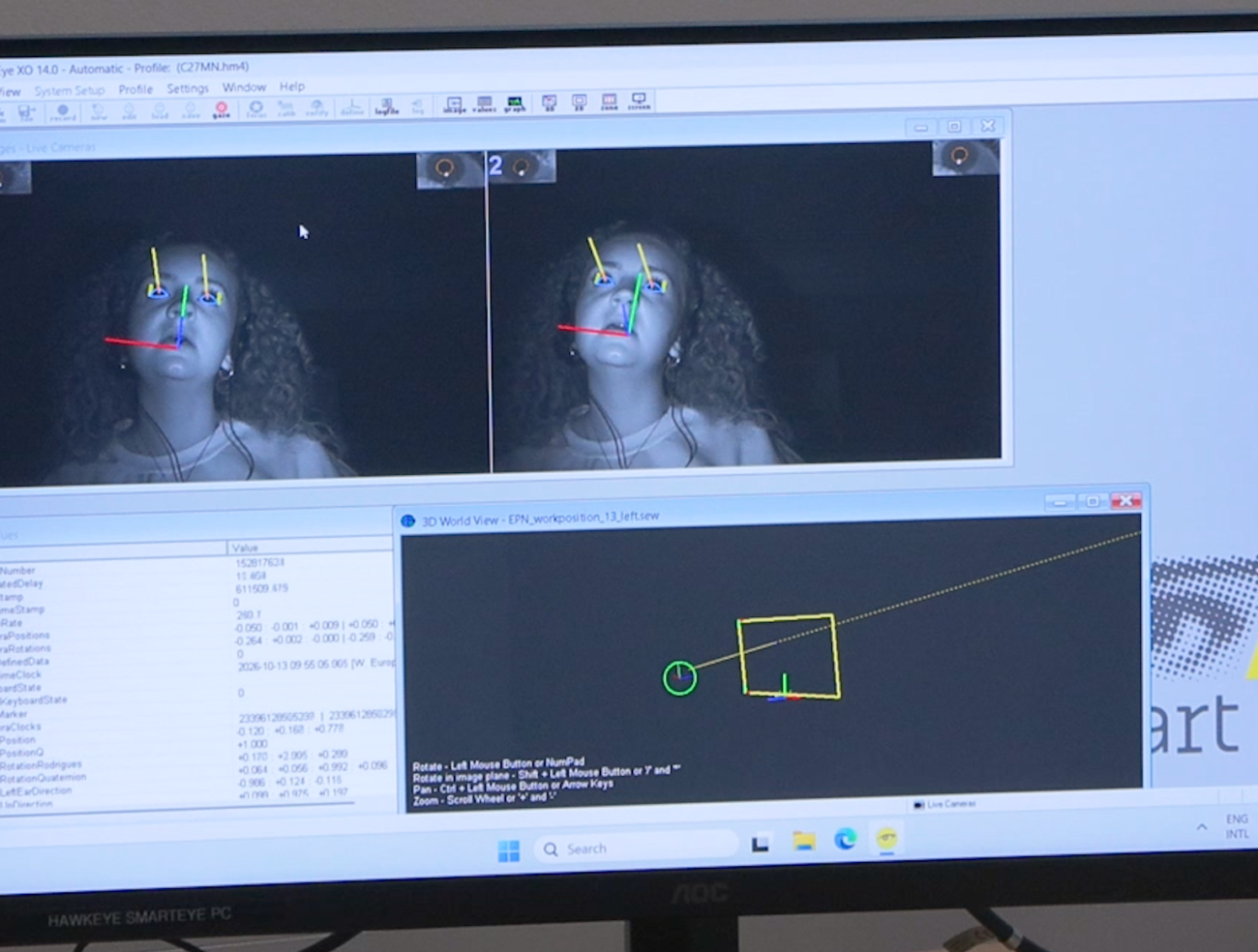
For Entry Point North, the focus is on understanding how eye-tracking data could support instructors in practical ATC training. Together with LFV, we are exploring how insights from operational environments can be brought into training, where instructors can assess their relevance to student learning. The next step is to analyse the data from the first testing phase and identify what could be developed further.
Interested in how we approach ATC training and the development of new training methods? Get in touch with our team to learn more.
Photo credit: LFV